Posted on 8/28/2026

A complete vehicle inspection does not need to happen every few weeks, but it should be part of your normal maintenance routine. For many drivers, having the vehicle looked over thoroughly once or twice a year is a practical starting point. The right timing can change depending on mileage, vehicle age, driving habits, and whether the car regularly deals with rough roads, heavy traffic, long trips, or extreme weather. The point is not to create a long list of unnecessary repairs. A good inspection gives you a clear picture of what is wearing normally, what should be watched, and what needs attention now. That information makes it much easier to plan repairs instead of being surprised by them. Once or Twice a Year Works for Many Drivers For a vehicle in generally good condition, a thorough check every six to twelve months is often reasonable. That schedule gives technicians a chance to look at parts that may not be obvious during an oil change, including suspension jo ... read more
Posted on 7/31/2026
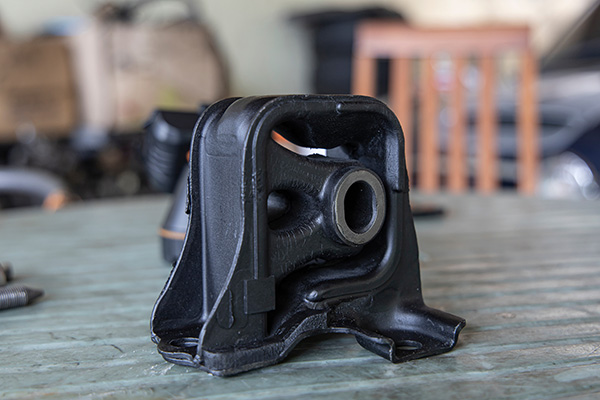
Engine mounts work quietly in the background, holding the engine and transmission in position while absorbing the vibration created every time the engine runs. Most drivers never think about them until the cabin begins to shake, a new clunk appears, or the vehicle feels rougher than it did before. Mount wear tends to develop gradually. Rubber hardens, hydraulic mounts can leak, and internal supports may begin to separate after years of heat and engine movement. Recognizing the early signs can help prevent extra strain on hoses, wiring, exhaust parts, and the remaining mounts. 1. You Feel More Vibration At Idle One of the first signs of a weak engine mount is stronger vibration while the vehicle is stopped. You may feel it through the steering wheel, seat, floor, center console, or dashboard while waiting at a red light. The engine may sound normal, yet the cabin feels busier than it used to. The vibration may become more noticeable when the transmission is in drive ... read more
Posted on 6/26/2026

A used car test drive can feel reassuring when the vehicle starts easily, drives around the block, and looks clean in the seller’s driveway. That short drive can also hide problems. Some warning signs only show up at higher speeds, during braking, while turning, or after the engine reaches operating temperature. Many buyers miss red flags because they are focused on price, mileage, body condition, or how the car feels in the first few minutes. A careful test drive should be slower, quieter, and more deliberate. The goal is to notice what the vehicle is telling you before the sale is final. Used Car Test Drive Warning Signs At Startup The first few seconds after startup can reveal important clues. Listen for rattling, ticking, knocking, grinding, or a rough idle. A vehicle that struggles to start, cranks longer than normal, or stumbles before settling down may have concerns about the battery, fuel, ignition, sensors, or engine wear. Exhaust smoke at startup sh ... read more
Posted on 5/29/2026
A steady check engine light is easy to put off. The car may still drive fine, and you tell yourself you’ll deal with it after work or after the weekend. A flashing check engine light is different. When that light starts blinking, the car is usually warning you about an active problem that can damage expensive parts if you keep driving. The engine may be shaking, or it may feel only slightly off. Either way, flashing means the problem is happening right now, not just stored in memory. A Flashing Light Usually Means A Misfire The most common reason for a flashing check engine light is an engine misfire. A misfire means one or more cylinders are not burning fuel correctly. Instead of a clean power stroke, that cylinder stumbles, skips, or fires weakly. You might feel it as a shake at idle, a stumble when accelerating, or a rough vibration through the seat. Sometimes it only happens under load, like when you’re merging, climbing a hill, or pressing the gas ... read more
Posted on 4/15/2026

Buying your first car brings freedom, but it also comes with a long list of responsibilities many drivers have never had to think about before. Warning lights, fluid levels, tire pressure, maintenance schedules, and repair costs can all feel unfamiliar at first. That is normal. The good news is that most first-time owners ask the same questions. Once you understand the basics, it gets much easier to keep your car reliable, catch problems early, and avoid turning a small oversight into a much larger repair. 1. How Often Should I Change My Oil? Oil change timing depends on the vehicle, the type of oil, and how the car is driven. Short trips, heavy traffic, and hot weather can make oil wear out faster than many new drivers expect. A good habit is to follow the service interval recommended for your car and keep a written record. Regular maintenance here is one ... read more
Posted on 3/15/2026

Most car problems start as a small hint, a light that shows up, a noise that comes and goes, or a smell you only notice after parking. It’s easy to wait because the car still gets you where you need to go. Then the same hint repeats, and now you’re wondering if you missed the easy window. This FAQ is meant to give you quick, practical answers without the panic. What To Do When A Warning Light Pops OnQ: Is a steady check engine light okay to ignore if the car feels fine? A: Usually you can drive gently for a short time, but don’t treat it like background decor. The code behind the light tells you if it’s minor or if the engine is compensating hard enough that it will start affecting other parts. Q: Why does the light come back after I reset it? A: Clearing the light removes the record, it doesn’t fix the condition that set it. Once the car runs its monitor again and sees the same fault, the light retur ... read more
Posted on 2/26/2026
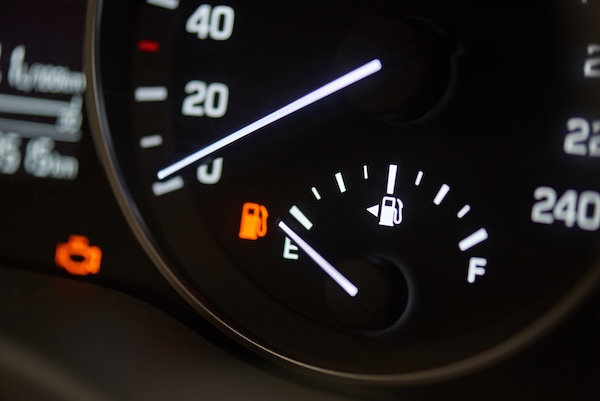
Most drivers have done it at some point—pushing the gas gauge a little farther than recommended before stopping at the pump. While it may seem harmless, regularly letting your gas tank get close to empty can have negative effects on your vehicle over time. Modern cars are more advanced than ever, but they still rely on a clean, well-functioning fuel system to run properly. Understanding what happens when your fuel level runs low can help you avoid unnecessary wear, prevent costly repairs, and keep your vehicle running reliably. How Your Fuel System Works Your fuel system is designed to deliver a steady supply of clean fuel from the tank to the engine. The fuel pump draws gasoline from the tank, sends it through the fuel filter, and delivers it to the fuel injectors at precise pressures. This system depends on consistent fuel flow to maintain performance and efficiency. Gasoline also plays an important secondary role: it helps cool and lubricate the fuel pump. When fuel levels ... read more
Posted on 1/30/2026
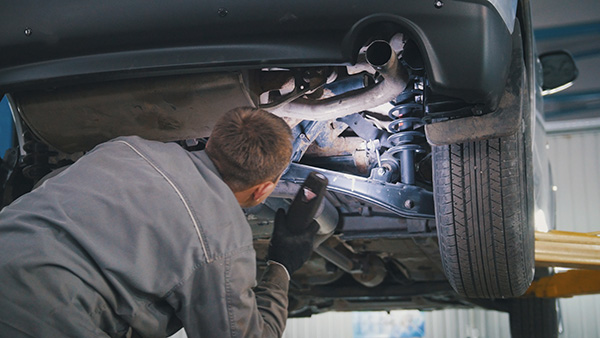
Worn shocks and suspension parts rarely announce themselves with one big, obvious failure. More often, the car slowly starts to feel a little less settled, a little less confident, and you adapt without realizing it. Then you hit a rough stretch of road, a sudden lane change, or a wet off-ramp, and the vehicle reacts in a way that feels sketchier than it should. If you have been noticing small changes in ride and handling, these are the safety-related ways suspension wear can show up. 1. Longer Braking Distances From Excessive Front-End Dive When shocks are weak, the front of the vehicle can dive harder under braking, which shifts weight too quickly and unsettles the tires. That weight transfer can reduce how evenly your tires grip the road, especially if the pavement is uneven or damp. You might still stop, but it can take more distance and feel less controlled. It also puts extra strain on brakes and tires, which can compound the problem over time. 2. Mo ... read more