Buying your first car brings freedom, but it also comes with a long list of responsibilities many drivers have never had to think about before. Warning lights, fluid levels, tire pressure, maintenance schedules, and repair costs can all feel unfamiliar at first. That is normal.
The good news is that most first-time owners ask the same questions. Once you understand the basics, it gets much easier to keep your car reliable, catch problems early, and avoid turning a small oversight into a much larger repair.
1. How Often Should I Change My Oil?
Oil change timing depends on the vehicle, the type of oil, and how the car is driven. Short trips, heavy traffic, and hot weather can make oil wear out faster than many new drivers expect.
A good habit is to follow the service interval recommended for your car and keep a written record. Regular maintenance here is one of the simplest ways to protect the engine long term.
2. What Does The Check Engine Light Mean?
A check engine light means the vehicle has detected a fault in one of its systems. A steady light usually means you should schedule service soon, while a flashing light is more urgent and should not be ignored.
A flashing light often points to an active misfire, which can damage the catalytic converter. Even if the car still drives, that warning deserves quick attention.
3. How Do I Know If My Tires Need Air?
The easiest sign is the tire pressure warning light, but not every pressure issue will feel obvious from behind the wheel right away. You should also check tire pressure manually regularly, especially during significant temperature changes.
Low tire pressure affects fuel economy, tire wear, and handling. Keeping your tires properly inflated is basic maintenance that helps the whole car perform better.
4. When Should I Rotate My Tires?
Most vehicles need tire rotation at regular intervals to wear the tires more evenly. Front and rear tires usually wear at different rates, especially on front-wheel-drive vehicles.
Rotating them on time helps extend tire life and can also reveal alignment or suspension issues when the wear pattern looks unusual.
5. Why Is My Car Making a Noise I Have Never Heard Before?
A new noise usually means something has changed. It could be brake wear, suspension movement, a belt issue, or something loose under the vehicle.
The sound itself matters, but so does when it happens. A noise during braking points in a different direction than a noise during turning or acceleration.
6. How Do I Know If My Battery Is Going Bad?
A weak battery often shows itself through slow cranking, dim lights during startup, or the need for a jump. Many first-time owners do not realize the battery can weaken gradually before it fails completely.
Cold weather, short trips, and age all increase the likelihood of battery problems. A quick inspection can help confirm whether the battery is still in good condition.
7. What Fluids Should I Be Checking?
Engine oil, coolant, brake fluid, transmission fluid, and windshield washer fluid are the most common ones drivers should know about. Some are easy to check yourself, while others are best checked during service.
Fluid levels and condition tell you a lot about how the vehicle is doing. Low or dirty fluid can point to wear, leaks, or overdue service.
8. Why Is My Car Using More Gas Than It Used To?
Lower fuel economy can come from low tire pressure, dirty filters, worn spark plugs, sensor issues, or brake drag. A sudden change deserves attention, but even a gradual drop is worth noticing.
First-time owners often assume that changes in fuel economy are just random. In many cases, the car is quietly compensating for something.
9. What Does It Mean If My Car Pulls To One Side?
Pulling while driving can indicate alignment issues, uneven tire pressure, or suspension wear. Pulling during braking can also suggest a brake problem.
That symptom is worth checking early because it affects control and can wear tires faster than expected.
10. Why Are My Brakes Squealing?
Brake squealing often indicates the pads are wearing and should be inspected soon. It does not always mean an emergency, but it does mean the brake system is trying to get your attention.
If the sound turns into grinding, the wear is likely much farther along, and the repair may already be becoming more involved.
11. How Often Should I Have My Car Inspected?
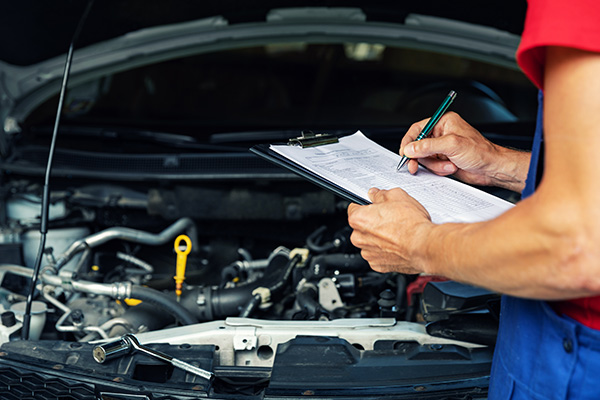
A car should be inspected whenever it starts making a new noise, shows a warning light, leaks fluid, or drives differently. Beyond that, routine service visits are a smart time for a broader inspection.
That approach helps catch wear early, especially for first-time owners who may not yet know what normal changes feel like.
12. Why Is My Car Shaking While Driving?
Shaking can come from tires, wheels, brakes, or suspension parts. The speed and conditions matter because a vibration at highway speed is different from one that happens only during braking.
Paying attention to the pattern makes it easier for a shop to pinpoint the cause.
13. What Should I Do If My Car Overheats?
If the temperature rises too high, you should stop driving as soon as it is safe and let the engine cool down. Continuing to drive while overheated can cause significant engine damage.
Coolant loss, radiator trouble, thermostat failure, and water pump problems are all common causes of overheating.
14. Why Does My Car Idle Rough?
A rough idle can come from worn spark plugs, weak ignition coils, airflow problems, or fuel delivery issues. The engine may still drive fairly well at speed, which is why some owners wait too long to deal with it.
Any clear change in idle quality should be mentioned during service.
15. How Do I Know If My Car Needs New Brake Pads?
Squealing, reduced stopping confidence, or a change in brake feel can all suggest brake pad wear. Some cars also make the wear visible enough to spot during a wheel inspection.
Brake pads should be replaced before they wear down to the point of damaging the rotors.
16. Why Is There Fluid Under My Car?
Not every puddle is serious. Water from the A/C is normal. Oil, coolant, brake fluid, and transmission fluid are not.
If fluid keeps appearing in the same spot, it is time for an inspection to identify the source before the leak gets worse.
17. Why Does My Steering Wheel Shake When I Brake?
That pattern often points to uneven rotor wear, though tire or suspension issues can contribute. If the shaking is mostly tied to braking, the brake system should be at the top of the list.
A brake inspection helps confirm whether the problem is simple pad and rotor wear or something broader.
18. What Is The Best Way To Avoid Expensive Repairs?
The best approach is to stay current on regular maintenance and respond early when something changes. Most expensive repairs begin as smaller issues that had warning signs first.
First-time owners save money by paying attention to changes rather than waiting for the car to force the issue.
19. Should I Worry About Small Changes In How My Car Feels?
Yes, especially if the change keeps repeating. A weaker start, rougher idle, lower fuel economy, or new vibration can all point to something starting to wear.
Cars usually do not fix themselves. Small changes are often the earliest warning you get.
20. When Should I Bring My Car In Instead Of Waiting?
You should bring it in when the car starts behaving differently, even if the change seems minor. Waiting is what gives small problems time to affect other parts of the vehicle.
An early inspection helps keep the repair focused and usually makes the whole process less stressful for a first-time owner.
Get Car Care For First-Time Owners In Bound Brook, NJ, With Nerger's Auto Express
If you are a first-time car owner and your vehicle is showing warning lights, making new noises, or just not feeling right, Nerger's Auto Express in Bound Brook, NJ, can help you understand what is normal, what needs attention, and what service makes the most sense.
Bring it in early and get clear answers before a small concern turns into a much bigger repair.