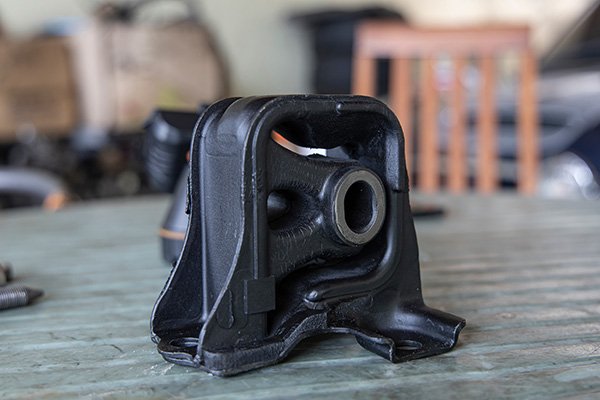
Engine mounts work quietly in the background, holding the engine and transmission in position while absorbing the vibration created every time the engine runs. Most drivers never think about them until the cabin begins to shake, a new clunk appears, or the vehicle feels rougher than it did before.
Mount wear tends to develop gradually. Rubber hardens, hydraulic mounts can leak, and internal supports may begin to separate after years of heat and engine movement. Recognizing the early signs can help prevent extra strain on hoses, wiring, exhaust parts, and the remaining mounts.
1. You Feel More Vibration At Idle
One of the first signs of a weak engine mount is stronger vibration while the vehicle is stopped. You may feel it through the steering wheel, seat, floor, center console, or dashboard while waiting at a red light. The engine may sound normal, yet the cabin feels busier than it used to.
The vibration may become more noticeable when the transmission is in drive and your foot is on the brake. That position places extra load on the mounts. Some vibration is normal in certain engines, but a clear increase from the vehicle’s usual behavior deserves an inspection.
2. The Vehicle Shakes More With The A/C On
Turning on the air conditioning adds load because the engine has to power the compressor. A healthy mount absorbs the small increase in movement. A worn or collapsed mount may allow that change to travel directly through the body of the vehicle.
The shaking may appear only when the compressor engages, then ease when it cycles off. Engine performance problems can create the same symptom, including weak ignition coils, worn spark plugs, a dirty throttle body, or compressor trouble. Both the mounts and the engine’s running condition should be checked before deciding what needs repair.
3. You Hear A Clunk When Shifting Into Gear
A dull clunk when shifting from park into drive or reverse can happen when the engine or transmission moves farther than it should. Torque changes quickly during gear selection, and worn mounts may no longer control that movement. The sound can seem to come from under the hood or beneath the front seats.
You might also hear a thump when accelerating from a stop or lifting off the gas. Loose suspension parts, worn axles, transmission concerns, and exhaust contact can produce similar noises. A road test and physical check help determine whether the drivetrain is shifting against a damaged mount or another part is responsible.
4. Acceleration Feels Jerky Or Unsettled
Engine mounts absorb the torsional forces generated when the engine transmits power through the transmission. If a mount has started separating, the engine can move before the vehicle responds. That may feel like a jolt, shudder, or heavy bump when pulling away from a stop.
A worn mount can also make gear changes feel harsher because the drivetrain is no longer being held securely. However, acceleration vibration can come from CV axles, misfires, transmission problems, driveshaft wear, or damaged tires. The way the vibration changes when you press and release the gas provides an important clue.
5. The Engine Appears To Move Too Much
The engine should move slightly when the throttle is applied, but it should not lurch, lift sharply, or rock heavily inside the engine bay. Excessive movement can mean the rubber has separated, a hydraulic mount has collapsed, or one mount is forcing the others to carry more load than they were designed for.
Visible damage may include cracked rubber, separation from a metal bracket, fluid leakage, or one side of the engine sitting lower than expected. Some mounts are hidden beneath covers or support brackets, so they cannot be judged from a glance. A controlled load test can reveal movement that is not visible while the engine is simply idling.
What Else Can Feel Like A Bad Engine Mount?
A rough-running engine can make healthy mounts appear weak. Misfires, vacuum leaks, dirty injectors, unstable idle speed, low compression, or ignition trouble can all create shaking. In those cases, the vibration begins with uneven combustion rather than a failed mount.
Tires, wheel balance, suspension parts, axles, and wheel bearings can also cause vibration while driving. Engine mount problems are more likely when the shaking is strongest at idle, during gear selection, or as engine load changes. The exact timing of the symptom helps separate a mount concern from a rotating tire or drivetrain problem.
Why Waiting Can Lead To More Damage
A worn mount may begin as an annoyance, but extra engine movement can affect nearby parts. Exhaust flex sections can crack, hoses can stretch, wiring can pull against connectors, and intake tubes may loosen. The remaining mounts also wear faster because the load is no longer shared correctly.
Regular maintenance can reveal cracked rubber, leaking hydraulic mounts, and unusual drivetrain movement before several components are affected. Replacing a failed mount early is often more straightforward than repairing the additional damage caused by months of excessive movement.
Get Engine Mount Repair In Bound Brook, NJ, With Nerger's Auto Express
If your vehicle vibrates at idle, clunks when shifting, or feels unsettled during acceleration, Nerger's Auto Express in Bound Brook, NJ, can inspect the engine and transmission mounts, as well as other potential sources of movement.
Contact us to schedule an appointment before a worn mount places more strain on the rest of the drivetrain.